

How to Translate Manga Safely: A Practical Workflow for Clear, Secure Comic Translation
The best way to translate manga is a local-first, human-reviewed workflow. Extract text with a trusted OCR tool, draft the translation, check every line against the art, and typeset only after the script is stable. This method is slower than a one-click service, but it gives you control over quality, files, and privacy. It also reduces the risk of uploading unpublished pages to an unknown server.
This guide explains how to translate manga from the first image to the final page. It covers Japanese manga, Korean manhwa, Chinese manhua, OCR, localization, lettering, and security checks. You can use the fast path for personal reading or the full path for work you have permission to translate.

1. How to Translate Manga With a Secure Workflow
1.1 Choose the Fast Path or the Full Path
Before learning how to translate manga, decide what result you need. For quick reading, capture one page, run OCR, translate the extracted text, and compare the result with the picture. For a finished chapter, add cleaning, redrawing, typesetting, proofreading, and export checks. A clear plan for how to translate manga keeps each task in this manga scanlation process guide under control.
The full answer to how to translate a manga is not “upload and accept.” When deciding how to translate manga, remember that services may misread vertical text, store images, or send content through outside model providers. Check the privacy policy, deletion period, supported file types, and whether files train an AI system. When the source is private or unreleased, prefer offline OCR and local image editing.
1.2 Check a Tool Before Giving It Your Pages
Safe japanese comic translation tools should explain what they collect and why. Browser extensions used for how to translate manga deserve extra care because broad permissions can expose every site you visit. Review the publisher, update history, user reports, privacy statement, and requested permissions before installation. Remove the extension after the project if you do not need constant access.
When studying how to translate manga, use a separate browser profile for translation tools. Do not reuse an important password, and enable multi-factor authentication on accounts that hold project files. Scan downloaded installers and font packages before opening them. A cracked editor or unknown font archive can carry more risk than the manga image itself.
This video shows how to translate manga in a browser, but users should still review extension permissions before processing private pages.
1.3 Organize Files Without Leaking Project Data
To manage how to translate manga, create folders for raws, OCR text, scripts, edited pages, and final exports. Keep untouched originals read-only, and work on copies. Use neutral filenames instead of creator names, client names, or release dates when files will pass through online tools. This makes the manga localization workflow steps easier to audit and reduces accidental disclosure.
Back up the project to an encrypted drive before you learn how to translate comic pages in bulk. A secure approach to how to translate manga never relies on a browser cache or a single cloud folder. If you collaborate, share only the folder each person needs. Delete public links when the review is complete.
2. How to Translate Manga Text With OCR
2.1 Prepare the Page for Accurate Recognition
Good OCR is central to how to translate manga and begins with a clean image. Straighten tilted scans, crop empty borders, and use a page with enough resolution to preserve small kana or Hangul. Avoid repeated JPEG compression because it creates blocks around thin strokes. A clear source is essential when learning how to translate a comic page.
To understand how to translate manga reliably, number every bubble before extraction. Follow the original reading order instead of the order produced by the OCR tool. Label dialogue, narration, signs, notes, and sound effects separately. This prevents a translation model from joining unrelated lines.

2.2 Verify Vertical, Handwritten, and Stylized Text
OCR in how to translate manga is a draft, not evidence. Vertical Japanese, furigana, handwritten comments, text over artwork, and large sound effects often cause errors. The Manga109-v2026 research project revised about 29,000 dialogue annotations, including transcription errors, missed text, overlapping sound effects, and poorly divided balloons. That scale shows why how to translate japanese comics still requires visual checking.
When learning how to translate manga, compare every extracted line with the page before translation. Pay special attention to names, numbers, negatives, repeated characters, and punctuation. If a character cannot be confirmed, mark it instead of guessing. This habit improves how to translate manga and gives an editor a clear issue to resolve.
This Reddit discussion on how to translate manga stresses that language skill and nuance matter even when software produces a readable first draft.
Manga translator requirementsr/Scanlation2.3 Protect Images During OCR
Before using cloud OCR for how to translate manga, strip EXIF metadata if it contains device, time, or location details. Test unknown web tools with a harmless sample page before sending real work. Do not upload a complete unreleased chapter merely to learn how to translate comics. Send one necessary page, then delete it through the service controls if deletion is available.
For sensitive projects, the safest answer to how to translate manga is local OCR with blocked network access. Keep the OCR output as plain text and review it in a trusted editor. Never open scripts or executables included with a downloaded comic archive. Images should not need an installer, macro, or browser notification permission.
3. How to Translate Manga Naturally and Consistently
3.1 Translate the Scene, Not an Isolated Bubble
To learn how to translate manga naturally, read the whole page before translating the first line. Identify the speaker, listener, action, emotion, and relationship. Research on multimodal manga translation finds that visual context and nearby dialogue help resolve meaning that a single bubble cannot provide. This is the central skill in how to translate manga without producing stiff or misleading English.
When deciding how to translate a manga, look one page backward and forward when possible. Japanese often omits subjects, while comic art may reveal who is acting. Korean and Chinese dialogue can also change meaning through social rank, slang, or prior context. A literal sentence may be grammatically correct and still be wrong for the scene.
Short TikTok demonstrations can introduce how to translate manga quickly, while a secure workflow still requires checking uploads, account access, and deletion rules.
3.2 Build a Glossary and Character Voice Sheet
A glossary makes how to translate manga more consistent across chapters. Record names, aliases, honorifics, places, groups, attacks, objects, and recurring sound effects. Add the source term, reading, approved English form, and a short context note. Store the sheet locally or restrict access if it contains unreleased story details.
Also record how each person speaks, because character voice shapes how to translate manga. Note whether the voice is formal, childish, old-fashioned, blunt, or playful. This helps when you need to know how to translate korean comic honorific levels or how to translate chinese comics with idioms and internet slang. Update the glossary after every chapter, then run a search for old spellings.
3.3 Edit Machine Translation Without Exposing More Data
Machine translation can support how to translate manga, but it is only a proposal. Check subject, tense, negation, pronouns, jokes, and emotional force. Do not paste an entire confidential script into a public chatbot when one difficult line is enough. Redact names and plot details when outside help is necessary.
Anyone learning how to translate manga should compare the draft with dictionaries and scene context. Back translation may reveal a missing idea, but it cannot prove accuracy. Read the final English aloud to catch unnatural rhythm. Then ask a second person to review the page without seeing your first draft.
This Reddit starter thread explains how to translate manga through separate raw, translation, editing, and typesetting tasks rather than trusting one automatic output.
Starting a scanlation workflowr/Scanlation4. How to Translate a Comic Page and Typeset It
4.1 Remove Text Without Damaging the Art
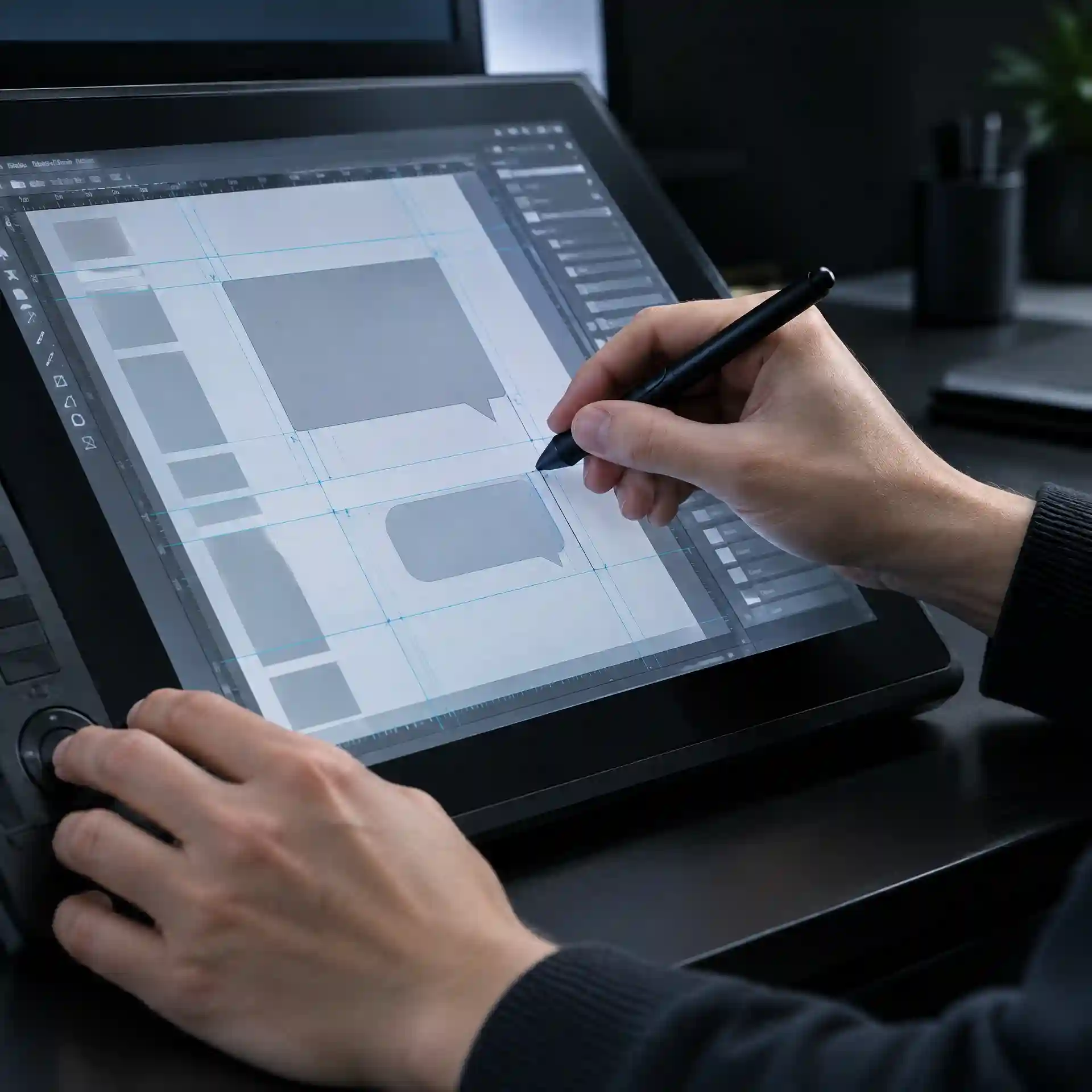
For how to translate manga safely, save the raw before cleaning. Plain speech bubbles are easy to clear, but text over hair, clothing, screentone, or painted backgrounds needs careful reconstruction. Zoom out often because a repair that looks acceptable at 400 percent may look obvious at reading size. This is where how to translate comic becomes image editing rather than language work.
Automatic inpainting can save time, but inspect edges, faces, fingers, and repeated patterns. Never install an unknown “AI cleaner” from a file-sharing link. Use the official site or verified package repository, and check the file signature when one is provided. These steps keep how to translate manga from becoming a malware incident.
This typesetting video helps explain how to translate manga visually, including text placement that should be checked after cleaning and before final export.
4.2 Fit English Into Speech Bubbles
When considering how to translate manga into English, expect to need more horizontal space than Japanese. Rewrite a long line before shrinking the font to an unreadable size. Keep safe margins, balanced line lengths, and a clear reading order. A good dialogue text typesetting tutorial should teach restraint, not decorative effects on every sentence.

The practical answer to how to translate a comic is to preserve intent while writing compact English. Match bold, whisper, shout, narration, and thought styles consistently. Use licensed fonts from trusted sources and keep proof of the license. Avoid random font download sites that bundle installers or misleading download buttons.
| Check | Secure action | Why it matters |
|---|---|---|
| ✅ Source image | Keep an untouched local copy | Makes recovery possible |
| ✅ OCR service | Review retention and training terms | Protects unpublished pages |
| ✅ Browser extension | Limit permissions and browser profile | Reduces browsing exposure |
| ✅ Fonts and editors | Download from official sources | Lowers malware risk |
| ✅ Final export | Remove metadata and hidden layers | Prevents accidental disclosure |
4.3 Run Visual and Security Quality Control
Check every bubble for overflow, tiny type, bad line breaks, missing punctuation, and wrong reading order. View pages on a phone as well as a large screen. Search the final script for each name and term. This last pass is a required part of how to translate manga, not optional polish.
Export security is part of how to translate manga, so flatten only a duplicate and inspect hidden layers for old dialogue or private notes. Remove metadata, temporary links, and embedded paths. Scan the exported archive, then share it with an expiring link and a separate password channel. That is how to translate a comic page without leaking working files.
5. How to Translate Japanese, Korean, and Chinese Comics
5.1 Adjust the Workflow for Each Format
Regional formats change how to translate manga in practical ways. For how to translate japanese comics, expect right-to-left panel order, vertical dialogue, furigana, and sound effects integrated into art. For how to translate korean comic pages, expect long scrolling canvases, modern slang, and fine changes in politeness. For how to translate chinese comics, check simplified versus traditional characters, idioms, names, and horizontal or mixed layouts.
Long webtoon files can exceed upload limits and reveal an entire episode at once. Split them locally into numbered sections, translate each section, and merge copies after review. Confirm that no panel is skipped at each boundary. This safer method also makes how to translate manga easier to resume after an error.
5.2 Respect Rights and Limit Distribution
Learning how to translate manga does not remove the original creator's rights. Use pages you created, licensed, purchased for permitted personal use, or received with clear authorization. Do not bypass access controls, scrape protected libraries, or publish a translated chapter without permission. A responsible guide to how to translate comics must include legal and platform rules.
For accountable work on how to translate manga, keep a short record covering source, permission, tools, reviewers, and deletion dates. Credit creators and contributors where publication is allowed. If a title receives an official release, direct readers to the authorized version. Security also means protecting the creator's work from premature or uncontrolled distribution.
6. How to Translate Manga: Final Checklist and Next Step
The reliable process for how to translate manga is simple to remember: prepare, extract, verify, translate, localize, clean, typeset, and review. Use local tools when pages are private, and treat every cloud upload or browser extension as a data-sharing decision. Keep originals, limit access, and delete temporary copies when the project ends. Quality and security should move through the workflow together.
Start with one page you are allowed to process. Number the bubbles, verify the OCR, build five glossary entries, and finish one clean export before attempting a chapter. Use this guide whenever you need to remember how to translate manga, then repeat the same controlled steps. Start now with a safe sample page and a local backup.
References
This research evaluates context-informed manga machine translation with multimodal language models and studies how visual context and translation-unit size affect output quality. Context-Informed Manga Translation Paper
This foundational paper presents a multimodal, context-aware framework for automated manga translation, including text detection, recognition, translation, and image-aware context. Automated Manga Translation Paper